Os X Yosemite 10.10.1 Update Available For Mac
CNET Mac OS X 10.10 Yosemite is out, but there are four things you need to do before upgrading your Mac to Apple's latest operating system. Check whether your Mac is able to run Yosemite According to Apple, the following are the supported models for Yosemite:. iMac (Mid-2007 or newer). MacBook (13-inch, late 2008 aluminum, early 2009 or newer). MacBook Pro (13-inch, mid-2009 or newer). MacBook Pro (15-inch, mid/late 2007 or newer). MacBook Pro (17-inch, late 2007 or newer).
MacBook Air (Late 2008 or newer). Mac Mini (Early 2009 or newer). Mac Pro (Early 2008 or newer).
Xserve (Early 2009) If you can't remember your Mac's vintage, click the Apple logo in the upper-left corner and choose About This Mac. A small window will pop up, showing basic system information. Screenshot by Matt Elliott/CNET. You may wish to read our article on.
Or watch about how to upgrade the RAM on a MacBook Pro. Check your current OS X version If you haven't updated your Mac's operating system in a number of years, then you need to check to see if you are running at least OS X 10.6.8 Snow Leopard, which was released way back in 2009. Its 10.6.6 update introduced the Mac App Store, which you'll need in order to download Yosemite. The About This Mac window will show which version of OS X you have. You need be running one of the following:.

OS X Snow Leopard (10.6.8). OS X Lion (10.7).
Os X Yosemite 10.10.1 Update Available For Mac
OS X Mountain Lion (10.8). OS X Mavericks (10.9). If you have an ancient Mac with an OS predating Snow Leopard, you will need to install Snow Leopard before then moving to Yosemite. You can buy Snow Leopard for $19.99. Before you do anything, back up your Mac If you have determined that your Mac can run Yosemite, then (as always) your first move before upgrading should be to perform a system backup to protect your data. Should the installation go awry, you don't want to lose important documents along with your photo and music libraries. Thankfully, Macs include a tool that make backups easy: Time Machine.
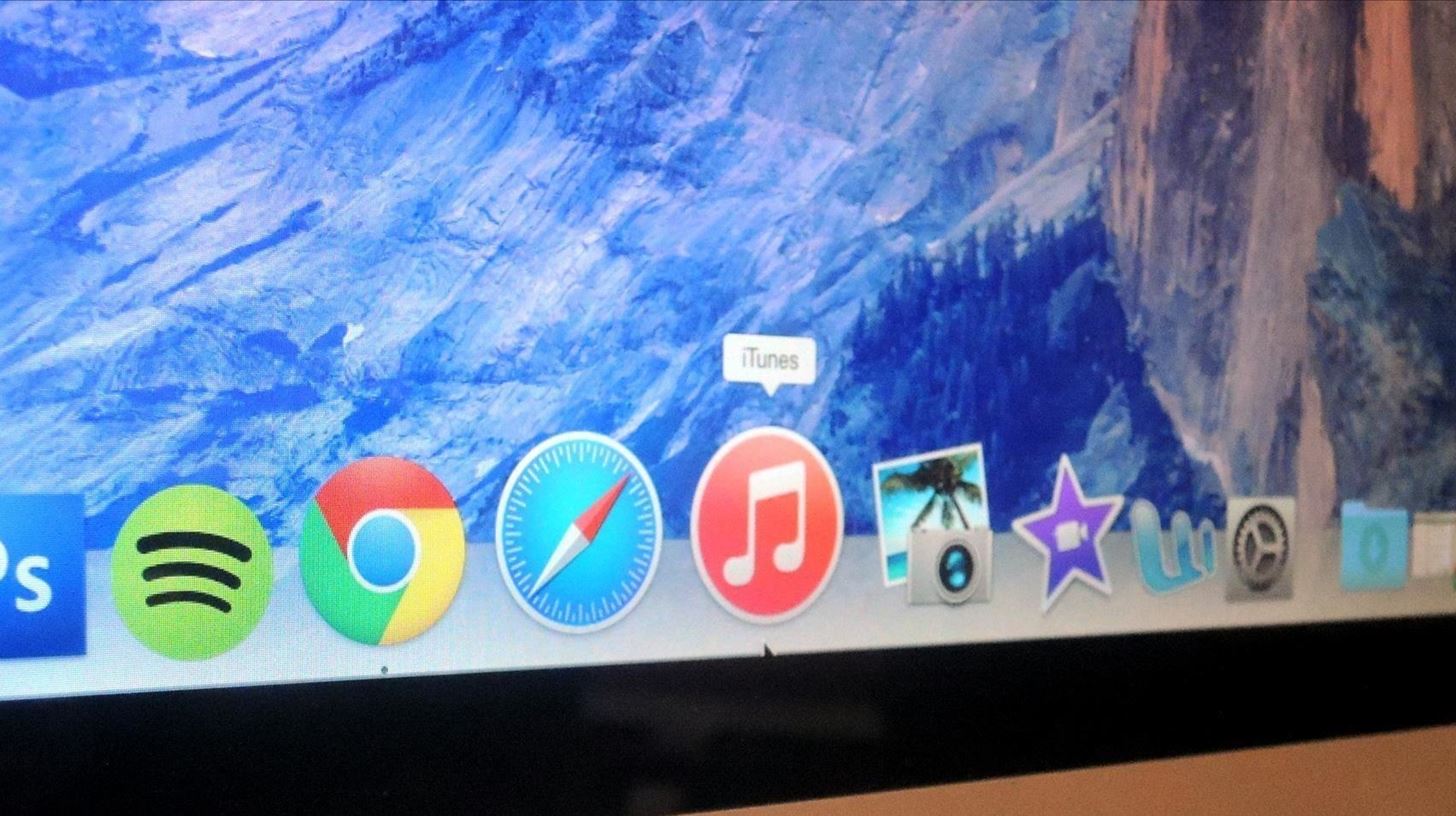
OS X 10.10, aka Yosemite, sports a more modern look and bridges the gap between Apple's desktop and mobile devices. The new Continuity helps you hand off tasks from iPhone to iPad to Mac, but that feature and Yosemite's updated hardware requirements, such as Bluetooth 4.0, push you deeper into Apple's ecosystem. Pros Beautiful but familiar design: Launch Yosemite and you'll appreciate the familiar, easy-to-navigate interface, modernized with flatter, iOS-style icons. It's the same Mac experience, only sleeker. Better notifications and search: The once disdained notification bar has become incredibly useful.
The events and notifications bar slides out, like iOS 8's, with customizable, drop-down widgets, revealing the native Weather, Calendar, and Calculator apps. Spotlight search pops out and lets you launch apps, find files and folders, and even search the Web, similarly to the popular standalone app Alfred. Continuity is amazing: Sharing photos and videos over iCloud is as easy as dragging and dropping. Airdrop lets you transfer files directly to your iPhone or iPad.
If you own an iOS device that can upgrade to iOS 8, Handoff (aka Continuity) is a must-have feature. Make calls on your Mac, send SMSs to non-iPhone users, and finish documents and emails begun on your iPad from your desktop. Fluid and fast: In our tests, the overall OS experience was fast and functionally stable, with most apps launching quickly and acting responsively. Additionally, Spotlight makes search much more intuitive and effective. Cons App incompatibility: Certain apps don't work with Yosemite, including enterprise applications like Cisco VPN, Parallels, and VMWare Fusion, which will not operate properly until updated patches are released. If you rely on your machine for work, before you update your OS, check with your IT department about whether critical software is compatible with Yosemite. Steep hardware requirements: To get the most out of Continuity, your Mac must be running fairly new hardware, the most important being Bluetooth 4.0 for the coveted Handoff feature to work.
IOS 8-compatible devices are also needed for mobile-to-desktop connectivity. Yosemite's new font, Helvetica Neue, gives your desktop a cool new look but is hard to read on smaller screens or non-Retina displays - watch out, Macbook Air users. Buggy: Apple's latest OS is still buggy almost a month after its official release. The most widespread issue is reconnecting Wi-Fi after your machine is put to sleep.
Also, Handoff can be hit or miss. We were able to get our devices up and talking, but others weren't so lucky. Apple-phile: To enjoy Yosemite to the fullest, you must own other Apple products. Although we loved the ability to take our work from mobile to desktop, we wish that Apple would play more nicely with competitors' software. Bottom Line With Yosemite, Apple made the Mac OS a bit slimmer and faster while keeping the familiar feel that users love. Overall, OS 10.10 is a stable and responsive operating system - when it works. If you already own iOS 8-ready devices and/or the latest Mac, upgrading is a no-brainer.
Folks with older systems or those without iOS devices will have to weigh the benefits of upgrading. Of course, the upgrade is free, so it's not a big gamble.